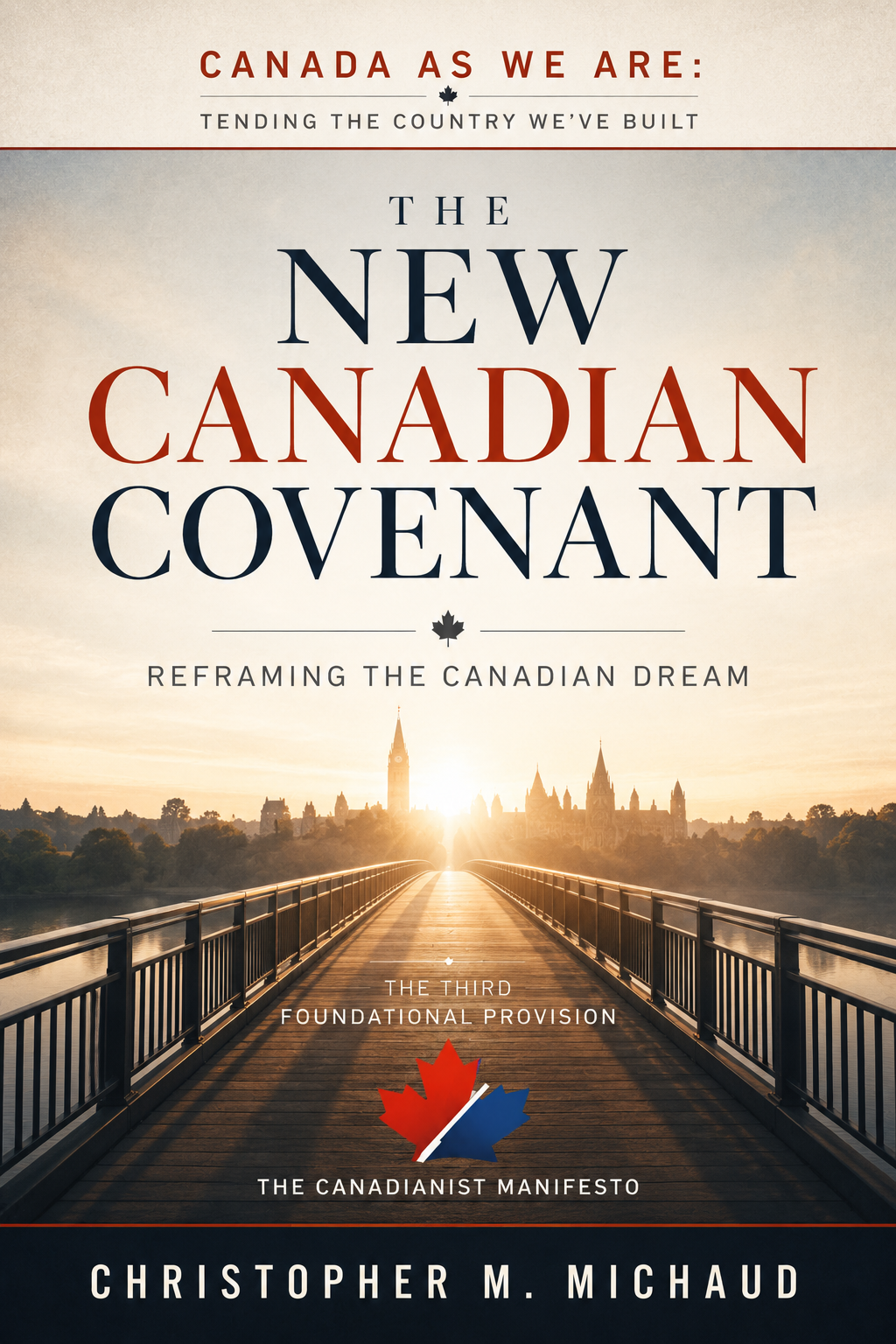
The New Canadian Covenant: Reframing The Canadian Dream
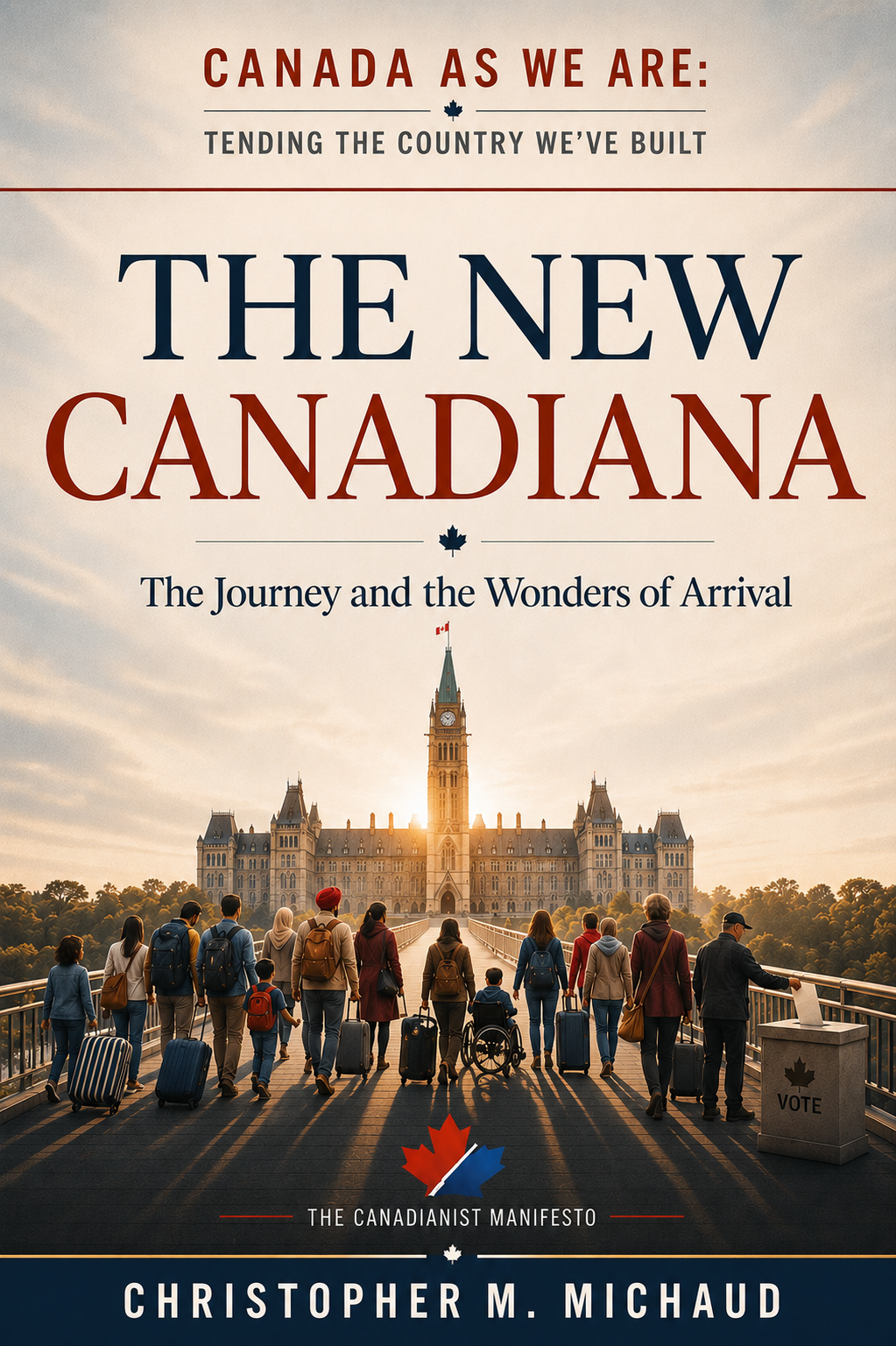
The New Candiana: The Journey and The Wonder of Arrival
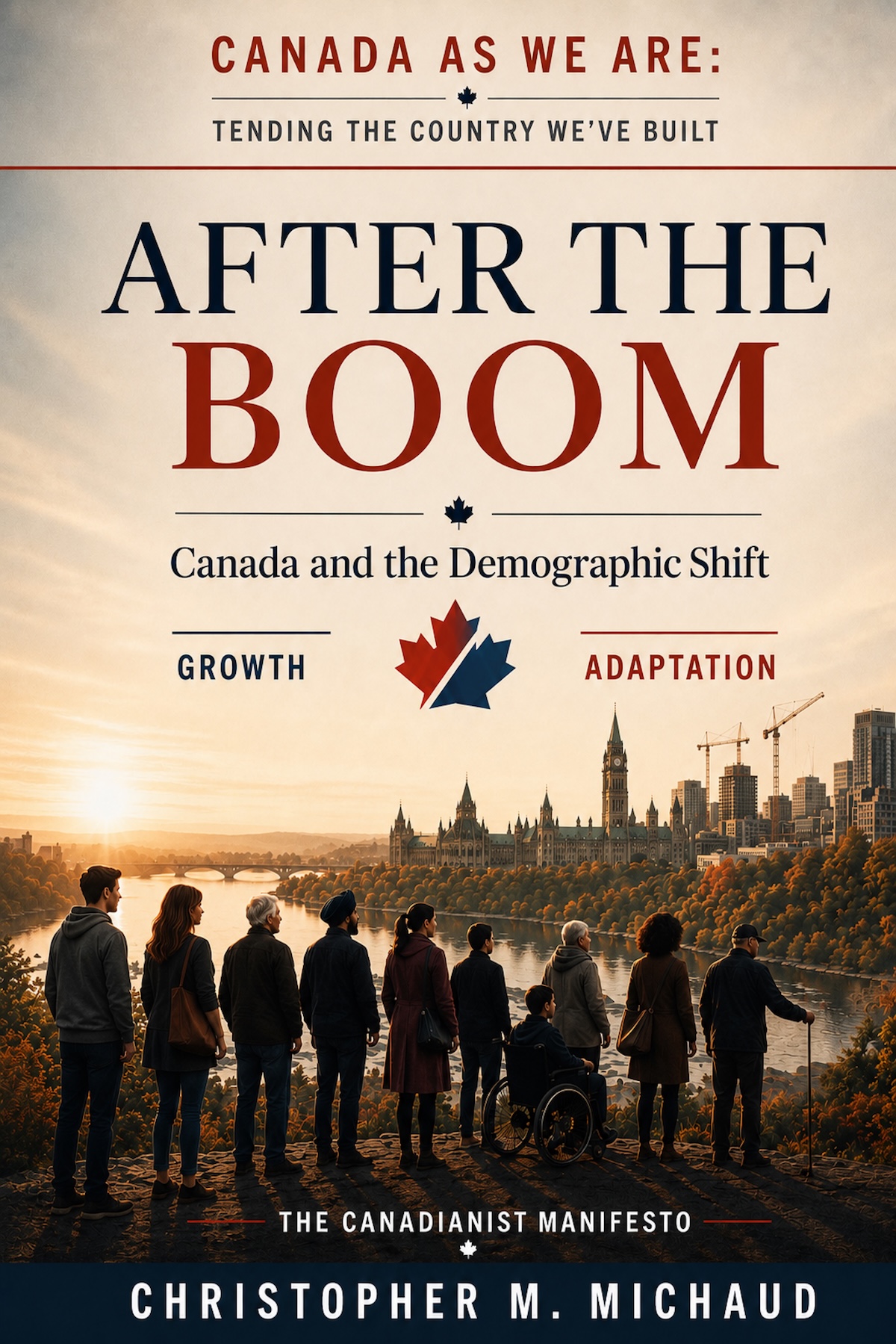
After The Boom: Canada and The Demographic Shift
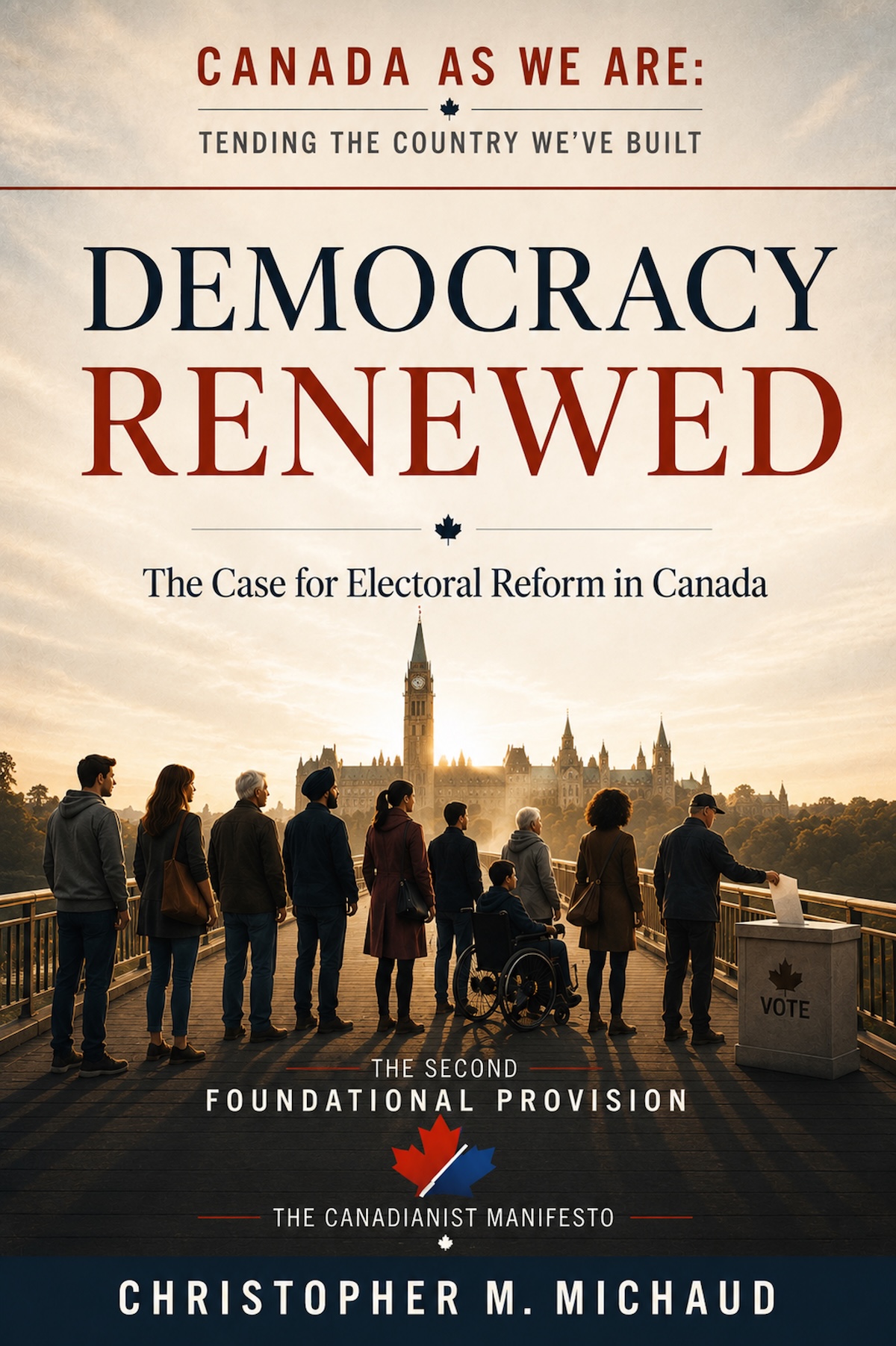
Democracy Renewed: The Case for Electoral Reform in Canada
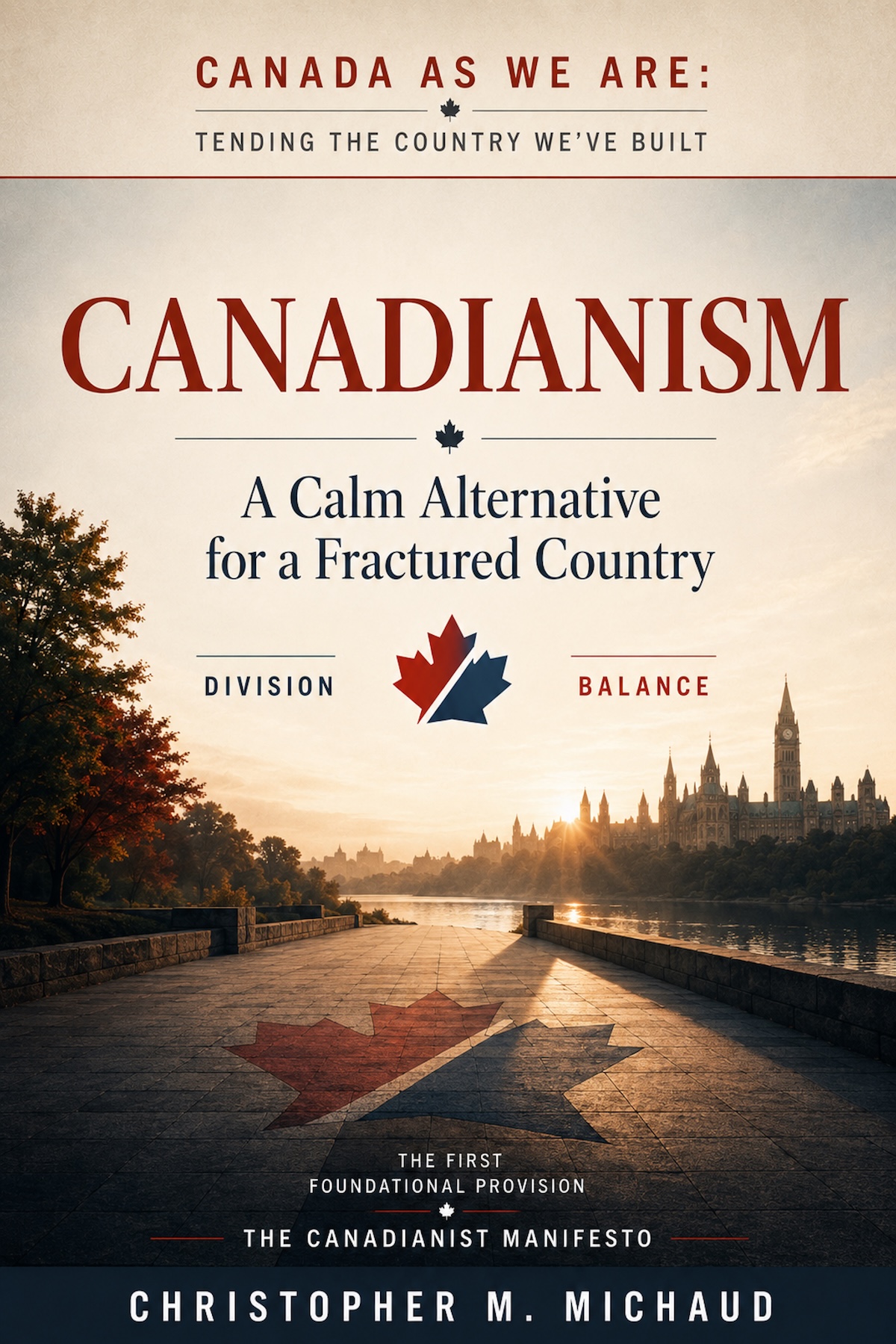
Canadianism: A Calm Alternative for a Fractured Country
Canada As We Are
Five books about the Canada we inherited, the Canada we’ve become, and the Canada we can build next.
Canada As We Are began with a question that became increasingly difficult for me to ignore: What happened to Canada?
I don’t mean that in the dramatic sense that the country is broken or that everything has gone wrong. I don’t believe that. Canada remains one of the most fortunate countries in the world, but something has changed. Housing became harder to afford, the population grew and changed at extraordinary speed, an entire generation that built much of modern Canada began moving into retirement, technology started transforming the nature of work, and our political institutions struggled to represent an increasingly complicated country. At the same time, Canadians became less certain about what we share, what we owe one another, and whether the opportunities available to previous generations will still exist for the generations coming next.
I started writing because I wanted to understand why, and what emerged was Canada As We Are, a five-book examination of Canada at a moment of profound transition.
These aren’t five books arguing that we need to go back. We can’t. The Canada of 1975, 1995 or even 2015 belonged to the circumstances of those times. Our population, economy, relationship with the world and technology have all changed, and so have we. The question isn’t how we recreate the Canada that was. It’s what we do with the Canada that is.
After the Boom: Canada and the Demographic Shift begins with the structural change underneath much of what we’re experiencing. The Baby Boom generation shaped Canada’s workforce, housing market, tax base, consumer economy and public institutions for decades. Now that enormous generation is moving into retirement while Canada simultaneously undergoes one of the fastest population transformations in its history. After the Boom examines what that collision means for housing, healthcare, immigration, labour, economic growth, government finances and the expectations of younger Canadians.
Demographics can explain how a country changes, but they can’t tell us what holds that country together. That question leads to Canadianism: A Calm Alternative for a Fractured Country.
Canada has become extraordinarily diverse, not simply ethnically or culturally, but politically, regionally, economically and generationally. Canadianism asks what Canadians can still reasonably expect to share in a country where we’re never going to agree about everything. It makes the case for a common civic identity built around citizenship, responsibility, participation, compromise and belonging rather than ancestry, ideology or partisan loyalty. It also argues for something increasingly absent from modern politics: the ability to disagree without treating the person across from us as an enemy.
Once we ask who we are, another question follows naturally: does the political system through which we govern ourselves still represent us?
Democracy Renewed examines a parliamentary and electoral system designed for a much smaller and less complicated country. It looks at wasted votes, safe ridings, artificial majorities, political disengagement and the growing number of Canadians who feel politically homeless. At its centre is the Michaud Method, my proposal to preserve Canada’s tradition of local representation while adding a national dimension that allows Canadians to vote both for the person they want representing their community and for the direction they want for their country.
Statistics, institutions and theories, however, only tell part of Canada’s story. The New Canadiana: The Journey and the Wonders of Arrival turns toward the people themselves.
It explores immigration, belonging and the experience of arriving in a country that is changing even as newcomers are trying to become part of it. Much of that understanding came from something remarkably simple: talking to people. I’ve spoken with students, tradespeople, professionals, refugees and new citizens, including people starting over, people who arrived expecting one Canada and discovered another, people struggling with credential recognition, housing or affordability, and people profoundly grateful for the safety and freedom Canada has given them. Their experiences reveal a country that is far more complicated than the immigration arguments we usually hear.
Those stories matter because real life rarely fits neatly into a political argument. Canada can remain welcoming while expecting integration. We can acknowledge the enormous contributions newcomers make while honestly discussing the pressures rapid population growth creates. We can talk about immigration without turning immigrants into either villains or statistics, because the people arriving today aren’t standing outside the Canadian story. They’re becoming part of it.
That brings the series to The New Canadian Covenant, which asks the largest question of all: what should Canadians be able to expect from their country, and what should their country be able to expect from them?
For generations there was an unwritten Canadian promise that if you worked hard, contributed, played by the rules, participated in your community and tried to build something, there was a reasonable chance that effort would lead somewhere. There were never guarantees, and there shouldn’t be, but there was a broad expectation that Canadians could build a life and leave something better behind.
For many Canadians, particularly younger Canadians, confidence in that relationship has weakened. Housing feels further away, careers are changing faster, technology is disrupting professions that once appeared secure, and the arithmetic of building a life doesn’t always seem to work the way it once did.
The New Canadian Covenant argues that this isn’t the end of the Canadian Dream. It’s an invitation to redefine it.
Canada is still a remarkably young country, still developing institutions and expectations for a nation that has grown dramatically since Confederation. Many of the pressures we’re experiencing aren’t evidence of collapse. They’re the pressures of transition and the signs of a country outgrowing arrangements built for an earlier stage of its development.
That distinction runs through all five books. Canada isn’t broken. Canada has changed, while our systems, expectations and national conversation haven’t always changed with it.
That’s why I wrote Canada As We Are. I didn’t want to write another series explaining why one political party is right and another is wrong. I wanted to understand the forces underneath the arguments we’re having about demographics, identity, immigration, representation, technology, opportunity, belonging and trust.
Taken together, the five books form one continuous conversation. After the Boom examines what changed and why. Canadianism considers what can still bind us together despite those changes. Democracy Renewed asks whether the way we govern ourselves has kept pace with the country we’ve become. The New Canadiana brings the conversation down from institutions and statistics to the people actually living through Canada’s transformation. Finally, The New Canadian Covenant asks what kind of relationship between citizen and country should carry us into the decades ahead.
The purpose of understanding Canada as we are isn’t to mourn Canada as it was. It’s to understand what we’ve become clearly enough to decide what we want to become next.
The generations inheriting this country aren’t arriving at the end of the Canadian story. They’re arriving at the part where they get to write the next chapter.